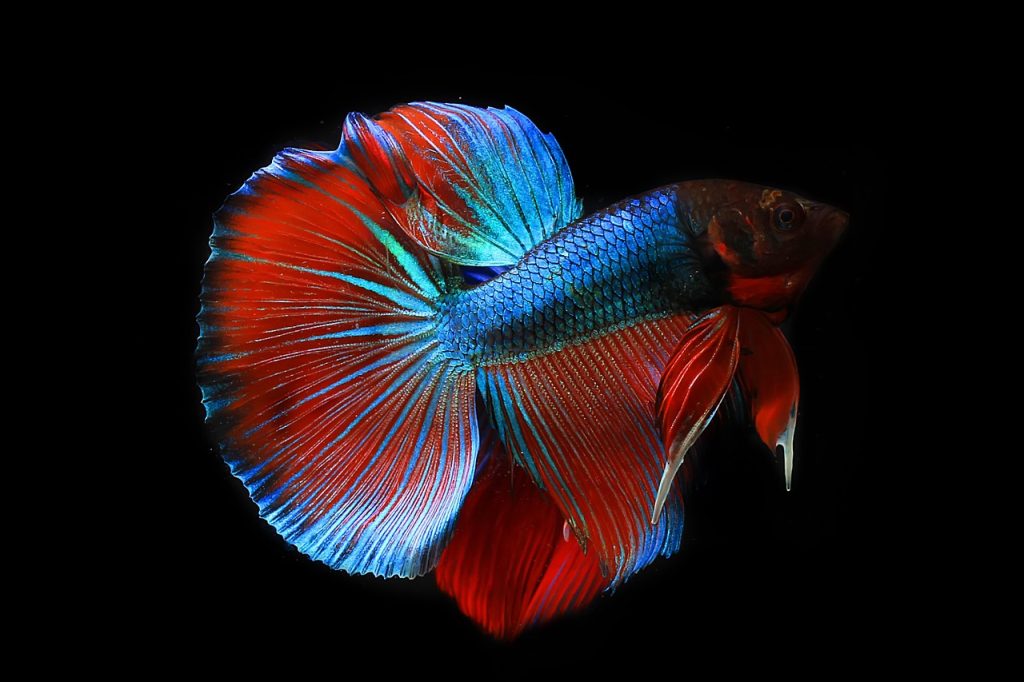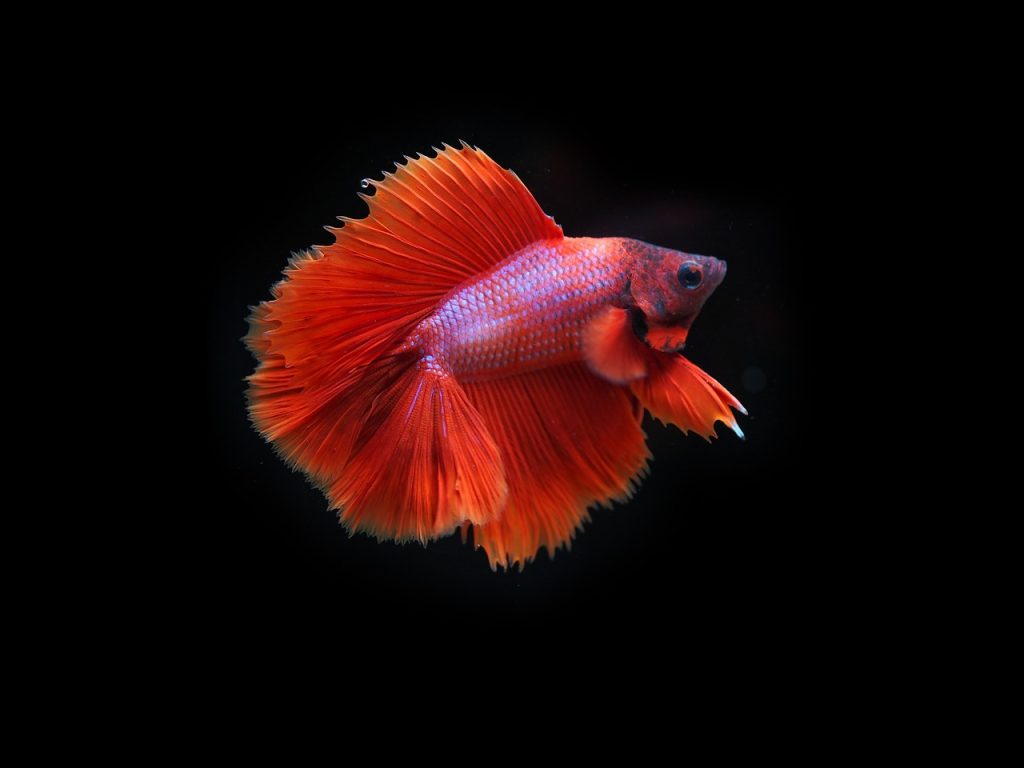
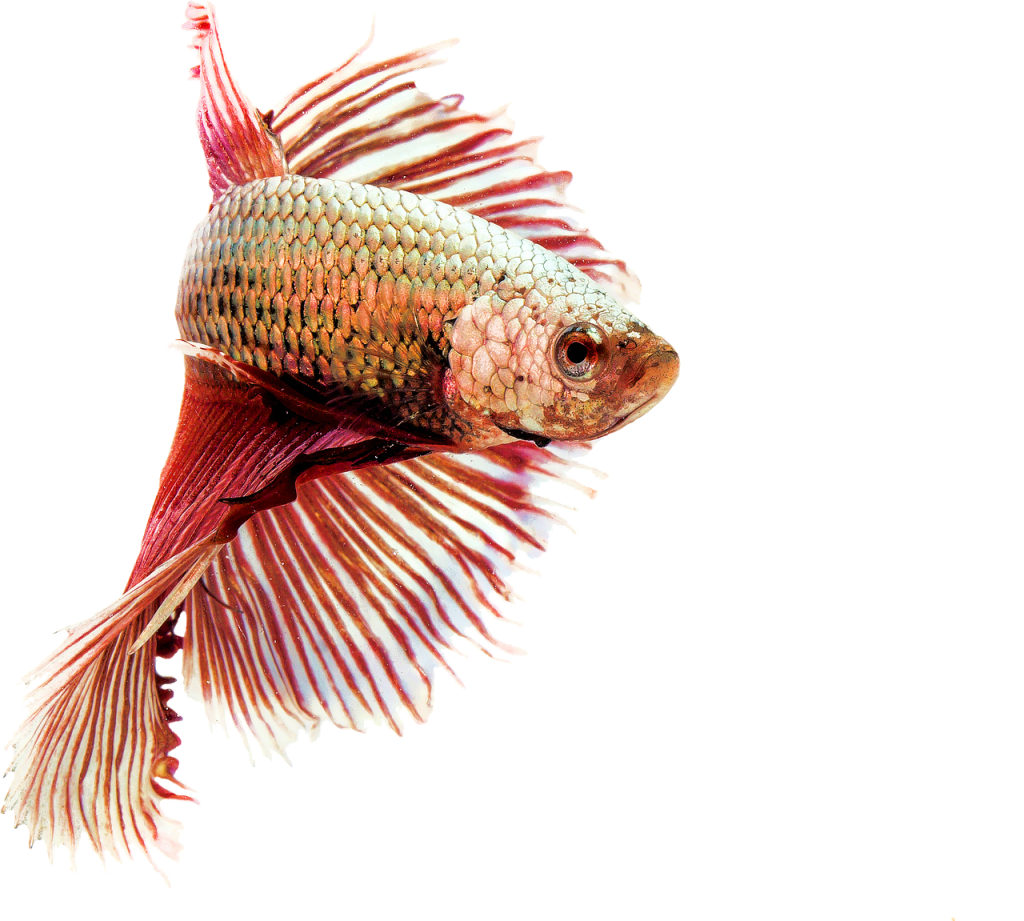
Hello, fellow Yuin Betta Fish hobbyists! Diving into the world of betta fish breeding offers a uniquely rewarding experience. Watching betta fry hatch and develop into stunners with vibrant colors and impressive finnage is every breeder’s dream. However, before you pair up your prized male and female, there is one crucial step that often determines your success: setting up the right breeding tank.
Many beginners fail early on because they assume a spawning tank can be thrown together casually. In reality, water parameters, tank size, and proper hiding spots significantly affect the comfort of the breeding pair and keep the female safe from an overly aggressive male. In this Yuin Betta Fish guide, let’s break down step-by-step how to set up a betta breeding tank from scratch until it is fully ready for action.
Step 1: Choosing the Right Tank
The first step is selecting a container or tank of the right size. Avoid tanks that are too small, as they restrict the female’s ability to evade an aggressive male; however, avoid overly large tanks so the fertilization process remains efficient. The ideal setup favored by professional breeders is a plastic tub or glass tank measuring at least 30x20x20 cm (around 15 to 20 liters). Fill it with relatively shallow water, around 10 to 15 cm deep. This shallow depth is crucial to ensure that newly hatched fry do not exhaust themselves swimming to the surface for air.
Step 2: Filling and Conditioning the Water
Water quality determines whether your betta eggs hatch successfully or succumb to fungus. Use water that has been aged or aerated for at least 24 hours to ensure all chlorine has evaporated, or treat it with a quality conditioner. Adding clean, filtered Indian almond leaf (ketapang) extract is highly recommended; the natural tannins slightly lower the pH and provide antibacterial and antifungal protection for the eggs. Once you fill the tank to a 10–15 cm depth, let the water settle for a few hours so the temperature stabilizes with room temperature.
Step 3: Adding Live Plants and Hiding Spots
Female bettas need shelters to take cover from chasing males during courtship. Add live aquatic plants such as hornwort (ceratophyllum), water lettuce, or Java moss into the tank. These plants not only serve as safe havens for the female but also provide anchor points for the male’s bubble nest. As an alternative to live plants, you can use cleaned dried banana leaves or a tilted small plastic cup to serve as a refuge.
Step 4: Setting Up a Divider or Chimney Bottle
Before introducing the pair freely, you will need a transparent divider or a clear bottle (such as a repurposed water bottle with the top and bottom cut off). Introduce the male betta into the main tank first, then place the female inside the transparent bottle right inside the tank. This introduction period typically takes 12 to 24 hours. This allows both fish to view each other, stimulating egg maturation and minimizing aggression or shock before they are released together.
Step 5: Final Inspection and Ready for Spawning
Before releasing the female, perform a final check on the water and the physical condition of both bettas. Ensure the tank bottom is free of debris, the water temperature is steady around 26–28°C (78–82°F), and the male is actively building a bubble nest at the surface. If the male has constructed a dense bubble nest and the female displays distinct vertical breeding bars with an egg-swollen belly, your breeding setup is officially ready and the pair can be released together.
Setting up a betta breeding tank requires extra patience and attention to detail, but it forms the essential foundation for a successful breeding project. Take your time and keep a close eye on your fish throughout the preparation. See you in the next Yuin Betta Fish article, and best of luck raising contest-quality betta fry!