For betta fish enthusiasts, choosing daily live foods is always an exciting debate. Among the many natural feeding options like tubifex worms, brine shrimp (artemia), and mosquito larvae, water fleas hold a special place in the hearts of both hobbyists and veteran breeders. These microscopic freshwater organisms, primarily Moina and Daphnia, have long been trusted as a safe, anatomy-friendly staple for bettas.
Nutritional Profile of Water Fleas: Moina vs. Daphnia
Generally, the water fleas found in the hobby are divided into two main species: Moina sp. and Daphnia magna. Moina are significantly smaller (around 0.5–1.5 millimeters) with softer exoskeletons, making them an ideal meal for betta fry aged two weeks and older. On the other hand, Daphnia are larger (reaching 2–5 millimeters), making them a perfect fit for juvenile and adult bettas.
From a nutritional standpoint, dried water fleas contain roughly 50 to 60 percent crude protein, low fat levels ranging from 4 to 8 percent, and extremely high moisture content when fed live. One of the greatest advantages of water fleas over other live foods is their crude fiber content derived from their outer shell (chitin exoskeleton). This chitin provides functional digestive benefits rarely found in commercially processed fish foods.
The Vital Role of Chitin Fiber in Betta Digestion
One of the most common threats when keeping betta fish in solitary tanks is constipation and swim bladder disorder. Bettas are obligate carnivores with relatively short digestive tracts. Overfeeding pellets or high-fat live worms often leads to impacted waste, bloat, and difficulty maintaining buoyancy.
This is where water fleas act as a natural digestive cleanser. The chitinous shell functions just like dietary fiber, stimulating intestinal peristalsis in bettas. Regularly feeding live water fleas helps clear out residual dry food accumulated in the digestive tract, keeping the fish’s metabolism smooth and significantly reducing the risk of constipation.
Impact on Color Pigmentation and Vitality
Many betta keepers wonder: can water fleas actually enhance a fish’s coloration? The answer lies in what water fleas consume. In the wild as well as in home cultures, water fleas feed on phytoplankton and green microalgae such as Chlorella. These algae are packed with natural pigments, particularly carotenoids and chlorophyll.
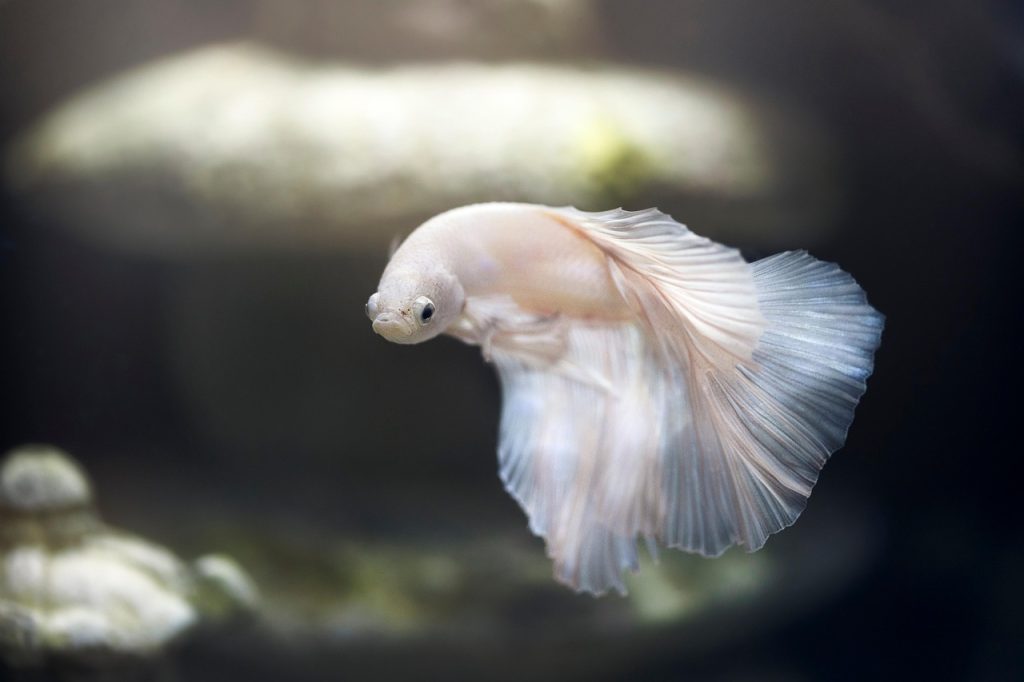
When a betta consumes fresh water fleas, these gut-loaded natural pigments are absorbed and delivered to the chromatophores within the fish’s scales. As a result, warm color spectrums like reds, oranges, and yellows on varieties such as Plakat or Halfmoon appear richer, deeper, and far less dull. Beyond color, the jerky, free-swimming motion of water fleas in the tank triggers a betta’s natural hunting instincts. The fish stays active, exercises its fins through flaring, and avoids the stress associated with boredom in static environments.
How to Clean and Portion Water Fleas Safely
While highly nutritious, wild-harvested water fleas or those sourced from outdoor ditches carry the risk of introducing bacterial pathogens and parasites if handled improperly. Here are practical steps to prepare water fleas before feeding them to your bettas:
- Graded straining: Use a fine-mesh net to separate the water fleas from coarse debris, rotting plant matter, or predatory pests such as dragonfly nymphs and hydra.
- Rinse thoroughly with clean water: Rinse the water fleas two to three times with clean, conditioned, dechlorinated water until the rinse water runs clear.
- Brief quarantine: Soak the water fleas for 5–10 minutes in a clean container treated with a light dose of Indian almond leaf extract or a very mild drop of methylene blue to minimize surface bacteria.
When it comes to portioning, dispense water fleas using a pipette or dropper. An ideal serving is an amount your betta can consume within 5 to 10 minutes. Another key advantage of live water fleas is their ability to survive in the aquarium for several hours without fouling the water quality, unlike leftover pellets that decompose quickly and cause ammonia spikes.
Conclusion
Water fleas are far more than just an inexpensive live food; they are a functional superfood providing clean protein, mental stimulation through hunting, and vital internal health support for your betta fish. By incorporating Daphnia and Moina into your weekly feeding rotation, you safeguard your betta’s digestive tract while enhancing the natural brilliance of its scales over the long haul.