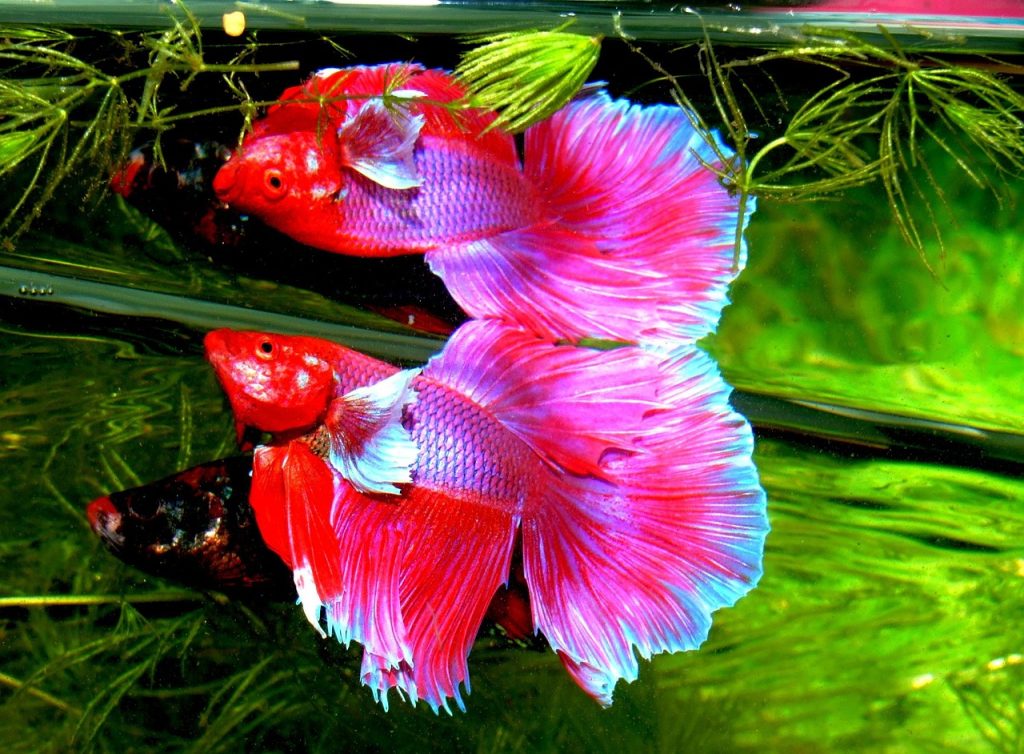
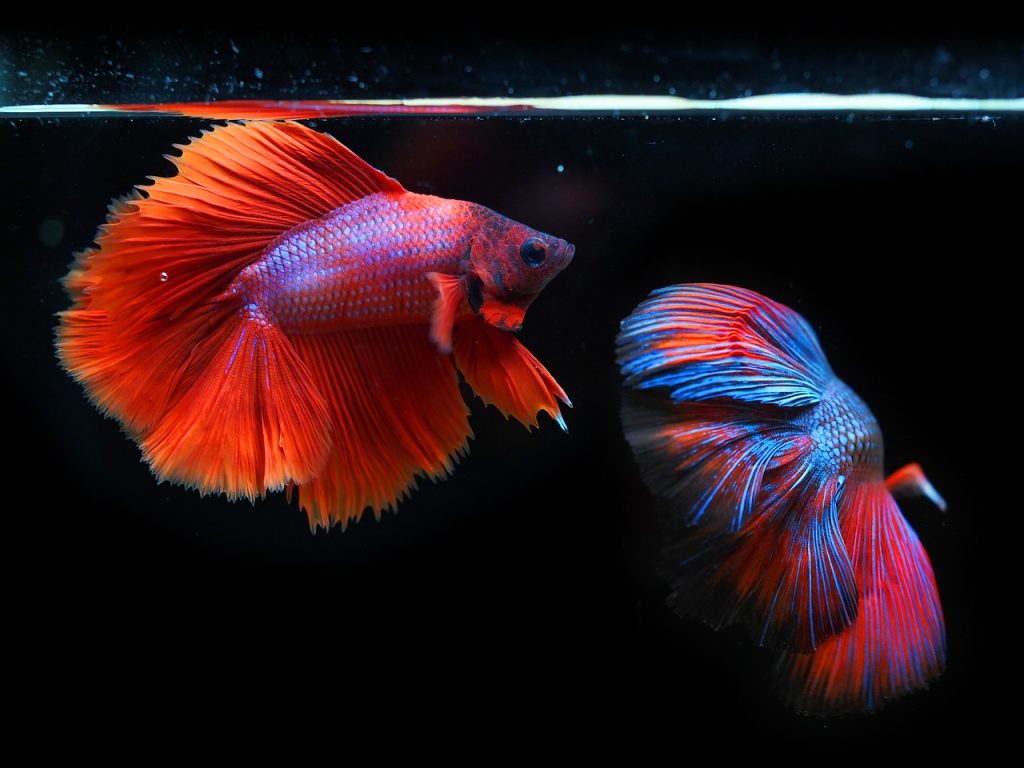
Entering your beloved betta fish into a beauty contest brings a unique sense of pride for any hobbyist. However, bringing a betta to the judging table requires more than just showing off wide fins. There are strict international standards that must be met if you want to bring home a first-place trophy. One of the most popular organizations used as a benchmark by breeders worldwide to assess ornamental betta quality is the International Betta Congress, commonly abbreviated as IBC.
For Yuin Betta Fish friends planning to enter your Halfmoon champion into the nearest competition, understanding IBC-style judging criteria is the ultimate key. Judges look not only at striking colors, but also at geometrical perfection and overall physical health. Let’s dissect the crucial aspects that determine victory under this international judging standard one by one.
1. Perfect Half-Circle Tail Spread (180 Degrees)
True to its name, a Halfmoon betta must have a caudal fin that spreads out to form a precise half-circle, equivalent to a 180-degree angle. This is an absolute requirement that cannot be compromised. The upper and lower edges of the tail spread must form a straight line parallel to the base of its body. If the tail spread is less than 180 degrees, or even exceeds a half-circle by curving forward (often called an over-halfmoon, which falls into the wrong category), points will be immediately deducted by the judges.
2. Fin Balance and Proportion (Dorsal, Anal, and Ventral)
The beauty of a show Halfmoon betta does not rely solely on its tail. IBC judges are very meticulous about observing the harmony or balance among the dorsal fin, anal fin, and ventral fins. The dorsal fin must have a proportional width with a sturdy base and slightly rounded tips that complement the fish’s body aesthetics. Meanwhile, the anal fin must be long and harmonious with the caudal fin, creating a symmetrical body frame when the fish flares its fins inside the solitary judging container.
3. Neat Fin Ray Branching
Behind the width and grandeur of the tail fin, the internal bone structure is also a highly crucial scoring point. In the standard Halfmoon class, ray branching generally starts from 4 to 8 branches (primary to quaternary rays). Judges will inspect whether the branching grows regularly and symmetrically without any bent, overlapping, or deformed bones that make the edges of the fin look jagged and irregular.
4. Fighting Spirit and Performance Before the Judges
A betta fish with a flawless physique will still lose its chance at winning if its temperament is poor at the judging table. Show fish must be bold, active, and aggressive when seeing opponents or when flared using a small mirror by the committee. Bettas that are passive, frequently isolate themselves at the bottom of the container, or fold their fins due to stress will be immediately eliminated from contention. Therefore, routine mental training before the D-day of the contest is highly recommended so the fish gets used to performing at its best.
Preparing a betta fish to compete in international show classes truly requires extra diligence, ranging from daily care, high-protein food quality, to a deep understanding of judging standards. By thoroughly recognizing the IBC scoring criteria, Yuin Betta Fish friends can perform self-selection at home before deciding to register the fish for a competition event. See you in the next interesting betta fish tips article!