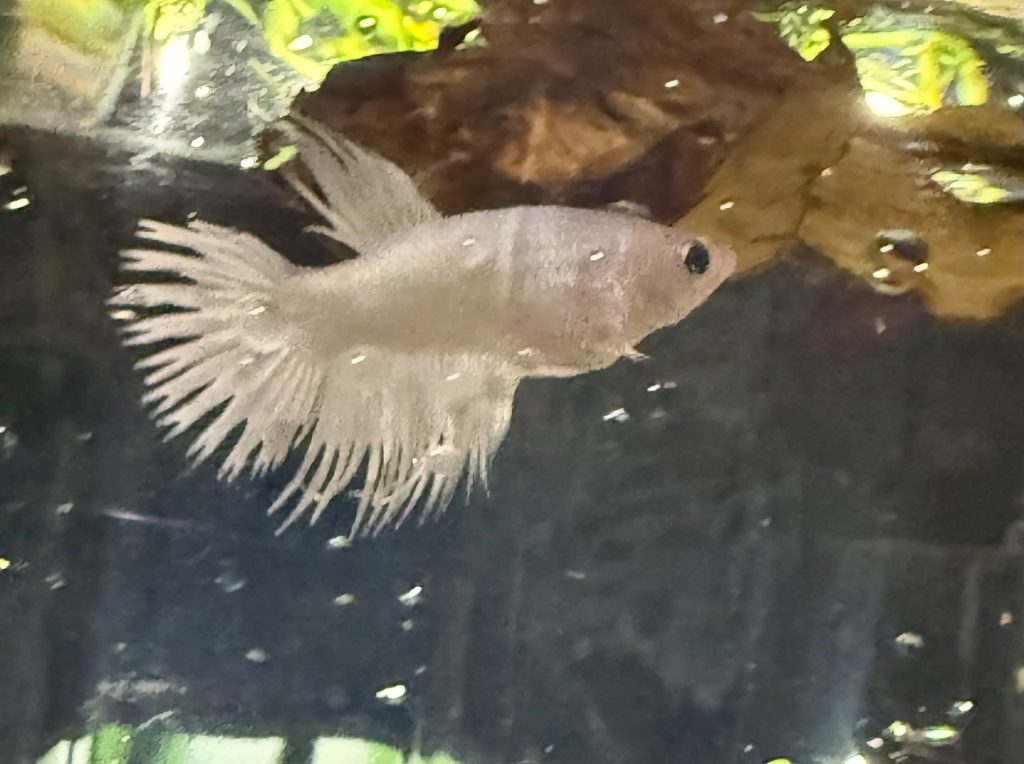
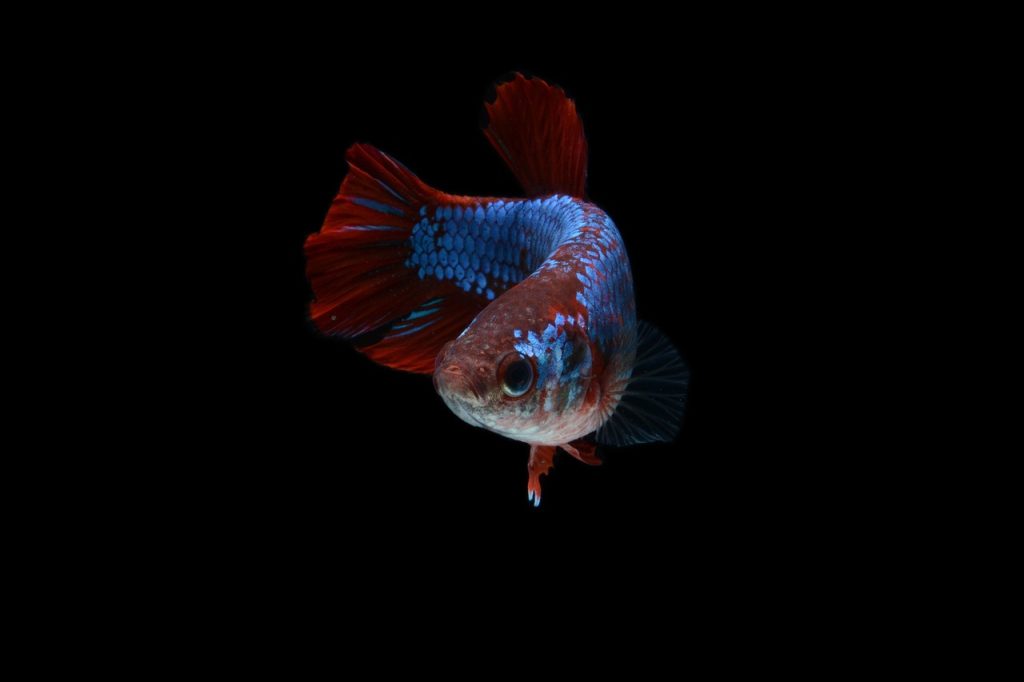
The betta fish (Betta splendens) is one of the most popular ornamental fish in the world. Their stunning colors and flowing, dramatic fins captivate everyone from young children to seasoned hobbyists. Unfortunately, the popularity of bettas is often accompanied by generations of misleading myths that frequently lead beginners astray. Their remarkable resilience is frequently misinterpreted as an excuse to keep them in subpar conditions.
If you are just starting to keep bettas or intend to provide a higher standard of welfare, it is time to filter out the misinformation. Let’s debunk the most common myths and facts surrounding betta fish care together.
Myth 1: Bettas Are Happy Living in Tiny Cups or Jam Jars
Fact: Bettas are indeed able to survive in cramped spaces thanks to their labyrinth organ, which allows them to breathe oxygen directly from the air. However, merely surviving is very different from living a healthy, optimal life.
In their natural habitat in the shallow waters of Southeast Asia, a male betta’s territorial range can span several dozen square centimeters. Keeping a betta in a jar or small cup with a capacity of under one liter causes waste-produced ammonia to accumulate rapidly, restricts movement, and triggers chronic stress. As a result, their fins easily clamp, their colors fade, and they become lethargic. Ideally, provide a tank or aquarium with a minimum volume of 2 to 4 liters for a standard daily setup, or larger whenever possible.
Myth 2: Indian Almond Leaves Are a Cure-All for Every Betta Disease
Fact: Dried Indian Almond leaves (Terminalia catappa) indeed contain tannins and organic acids that are very beneficial for gradually lowering water pH, providing a calming effect, and offering mild antibacterial properties. However, assuming that Indian Almond leaves can cure every single disease is a fatal mistake.
For serious illnesses such as dropsy, severe velvet, or advanced fungal infections, leaf soaks alone will not be enough. The fish still require specific medical treatments, such as targeted antibacterial medications, aquarium salt in the correct proportions, or aquatic antibiotics. Treat Indian Almond leaves as a preventive agent and water conditioner, not as a replacement for pharmaceutical drugs.
Myth 3: Crystal Clear Water Means It Is Clean and Safe
Fact: Visual water clarity is by no means an indicator that water parameters are in a safe condition. The primary toxins for ornamental fish are ammonia and nitrite, two invisible and odorless chemical compounds produced from fish waste and decaying leftover food.
Even if a tank looks crystal clear, the ammonia levels inside could already have reached dangerous limits that can burn gills and damage a betta’s slime coat. Therefore, do not wait for the water to look cloudy or smell bad before performing gravel vacuuming (siphoning) or regular water changes.
Myth 4: Breeding Bettas Just Requires Dropping a Male and Female Together Instantly
Fact: In the world of betta breeding, introducing a male and female breeder into the same tank without an introductory process (using a divider) almost always ends in disaster. Betta fish possess highly aggressive territorial instincts.
If a female is introduced directly when the male hasn’t built a bubble nest yet or when either party is not in breeding condition, they will fight fiercely. Often, the female’s fins are severely torn, her scales are lost, and it can even result in death. The visual conditioning stage using a divided container is a mandatory procedure so both fish can read each other’s mating signals before actually being released together.
Myth 5: Bettas Should Never Be Fed Pellets At All
Fact: Many believe that bettas can only grow healthy if fed live foods such as mosquito larvae or bloodworms. In fact, high-quality commercial betta pellets today are formulated with a very complete and hygienic blend of animal proteins, spirulina, vitamins, and micro-minerals.
Live food is indeed great for boosting breeding drive and stimulating hunting instincts, but live food that is not properly cleaned carries the risk of parasites and pathogenic bacteria. A combination of quality pellets as a daily staple and hygienic live food as an occasional treat is the best menu to keep a betta’s digestion healthy.
Understanding the difference between myths and scientific facts will change the way you view betta fish. By providing proper space, maintaining water parameters with discipline, and offering balanced nutrition, your beloved betta will display its finest colors and extraordinary vitality.