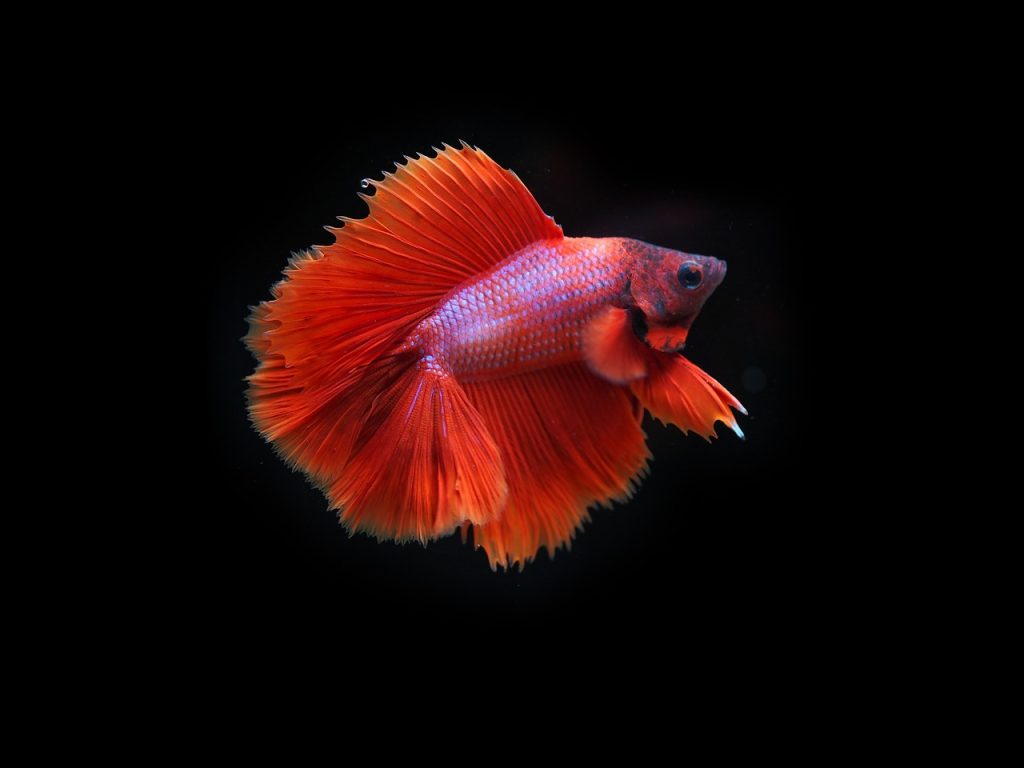
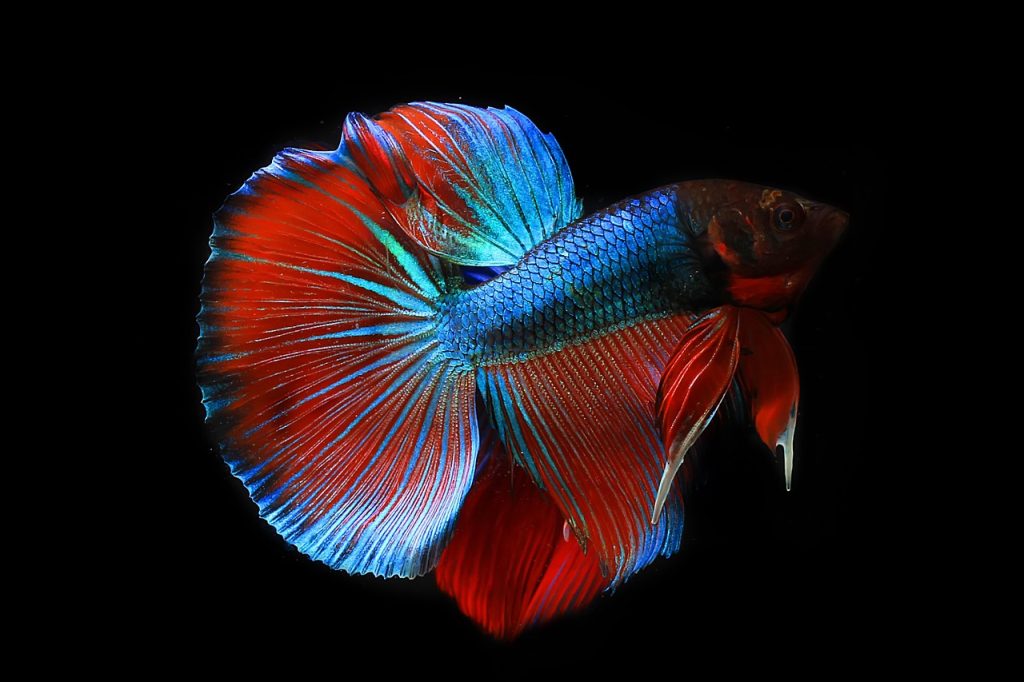
Have you ever wondered how professional breeders manage to create betta fish with such stunning color combinations? Crossing a red betta with a blue one often does not produce purple, but instead brings out completely unexpected colors. This is where art and science meet. Breeding ornamental bettas is not just about trial and error; it is the application of genetics involving the laws of inheritance.
To become a skilled breeder at Yuin Betta Fish, understanding the basics of color genetics is the ultimate key. We can no longer rely solely on luck when pairing two fish. Let’s break down how colors and patterns on a betta’s body are passed down from generation to generation using simplified basic biology concepts.
Dominant and Recessive Genes in Betta Fish
In betta fish genetics, every physical trait is controlled by a pair of genes inherited from both parents. These traits are divided into two main categories:
- Dominant Genes: Genetic traits that will always appear and mask other traits even if the fish inherits only a single copy of this gene from just one parent.
- Recessive Genes: Hidden genetic traits that will only physically manifest in the fish if it receives two identical copies of the recessive gene from both parents.
As a simple example in the betta world, dark or solid black color genes tend to be dominant compared to several light color mutations. If a pure black betta is crossed with a light-colored betta, the first-generation offspring (F1) will almost all be dark because the dominant trait suppresses the recessive gene from the other parent.
Case Study: Understanding the Logic of Specific Color Crosses
Let’s take a real example in modern betta breeding projects, such as crossing a solid color variant with a transparent or cellophane variant. A betta fish’s body color is fundamentally built by several layers of pigment cells or chromatophores, such as melanocytes (black), xanthophores (yellow/red), iridophores (blue/green light reflectors), and a transparent layer.
When a breeder wants to produce betta fish with specially patterned transparent fins, they must track whether the transparent trait is controlled by a recessive gene. If so, the F1 parents that look normal (because they carry a hidden recessive gene) must be backcrossed or bred with their siblings (controlled inbreeding) to resurface that recessive trait in the F2 generation.
This process explains why offspring from a single spawn can have vastly varying appearances. Some inherit fully dominant genes, some become carriers of recessive genes, and others display unique combinations due to the laws of genetic segregation.
Practical Tips for Applying Genetics in Breeding
For hobbyists who want to seriously pursue breeding at Yuin Betta Fish, here are some initial steps to keep in mind:
- Always record the lineage or background of your breeding stock so you know what genes they might carry.
- Do not rush to judge the quality of offspring from just a single spawn, as genetic variations sometimes only appear optimally in the second generation.
- Focus on one or two specific traits first, such as improving base color density or sharpening pattern lines, rather than trying to change too many things at once.
Understanding genetics does require a bit of patience and precision. However, when you successfully predict the offspring’s patterns exactly as you theorized beforehand, the satisfaction is undoubtedly multiplied compared to just relying on luck.